 vibration analysis
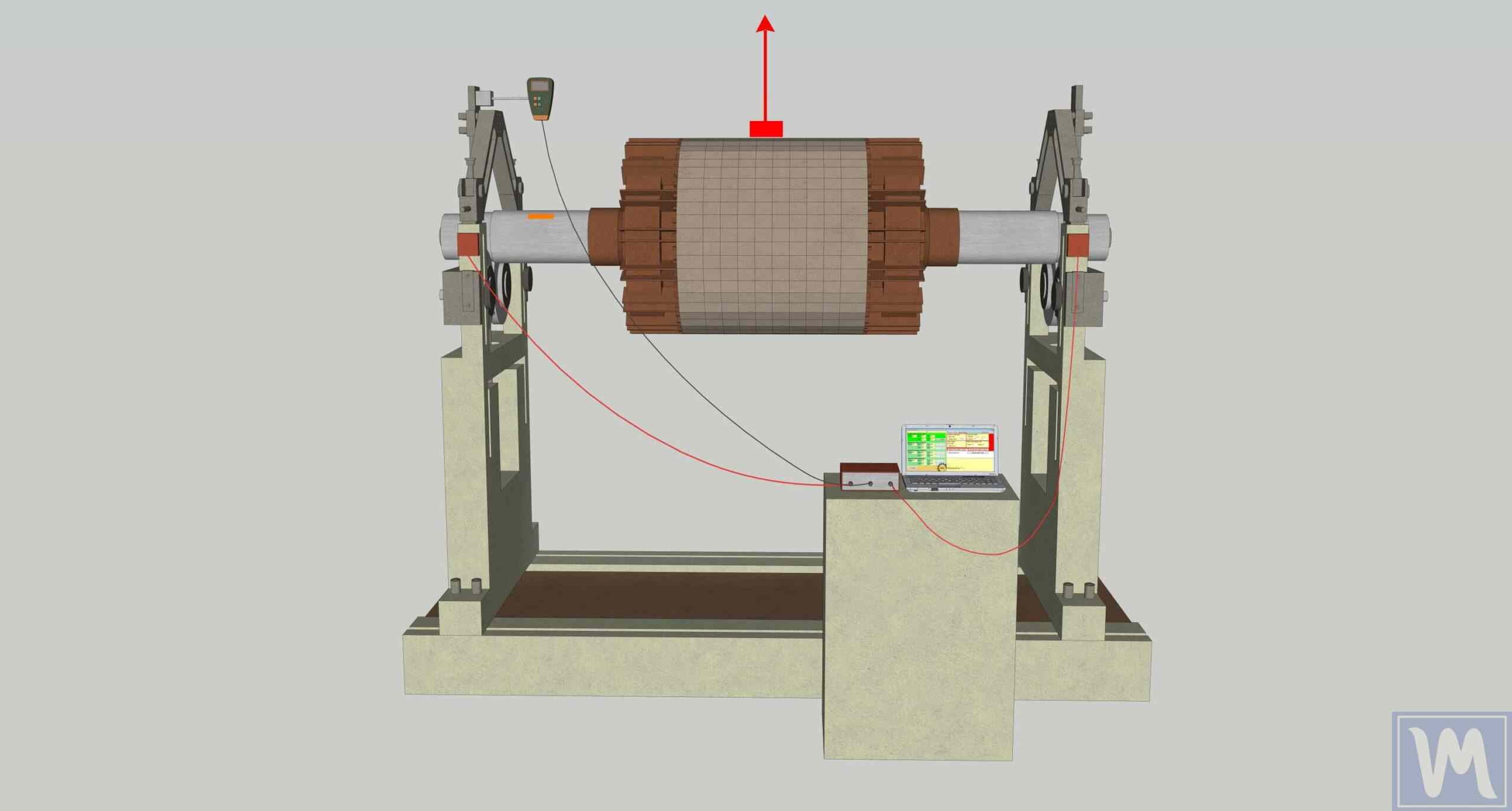
The Balanset-1A is a portable vibration analysis and balancing tool that has become essential for various industries, particularly when dealing with rotating machinery. Priced at €1,751.00, this dual-channel device is designed to specially address dynamic balancing tasks for a wide range of equipment, including crushers, fans, mulchers, augers on combines, shafts, centrifuges, turbines, and more.
The significance of vibration analysis lies in its ability to identify and mitigate issues before they escalate into serious problems, and the Balanset-1A is equipped for this challenge. It boasts a rich feature set that encompasses measuring and analyzing vibration in multiple forms. Despite its merits, investing in such technology often reflects the underlying challenge of maintaining operational efficiency in industries heavily reliant on mechanical systems. The need for such analysis indicates that machinery is not just prone to wear and tear but is also subject to detrimental mechanical failures due to insufficient vibrations or overwhelming vibrations that could lead to failure.
The device’s functionality is extensive, providing not just balancing capabilities but also deep insights into the operational health of machinery. Key features include a vibrometer mode for measuring rotational speeds—essential for understanding the operational conditions of rotating machinery. It can determine the phase angle of vibration signals, analyze fundamental frequency components, conduct Fast Fourier Transform (FFT) spectrum analysis, monitor overall vibration levels, and log measurement data for further review. These functionalities highlight the complexity that indistrial operators face in keeping machinery running smoothly and the constant need for vigilance in monitoring their equipment.
Furthermore, the Balanset-1A offers balancing modes for both single and two-plane balancing, thus enabling users to achieve a reasonable degree of stability in their machinery. The polar graph visualization aids operators in determining where additional weights need to be placed, showcasing the imbalance that can complicate machinery performance. Despite these advanced features, the reality remains that reliance on such technology underscores an ongoing battle against machinery misalignment and failure.
The additional capabilities of the Balanset-1A extend to storing past balancing sessions, generating detailed reports, and facilitating re-balancing based on saved data. This level of documentation may provide some semblance of control, yet it emphasizes the chronic nature of issues associated with vibration in machinery. With user-friendly features supporting both imperial and metric systems, it aims to serve as a comprehensive solution, albeit one that highlights the intricate dance of managing rotor dynamics and vibrations.
Specifications lend further insight into the functionality of the Balanset-1A. It includes two vibration sensors, providing real-time data necessary for analysis. The operational design accommodates a frequency range of 5 to 550 Hz, facilitating detailed examination of vibration signals. The limits on permissible measurement errors serve to remind users of the inevitable discrepancies that can occur in such analyses and, by extension, in machinery functioning itself. Meeting these specifications emphasizes the precision engineering required in this space.
Purchasing components like the vibration sensor or the optical sensor (laser tachometer) may provide users with options for customization, but it presents another layer of challenges. Each additional part purchased adds potential complexities and costs associated with maintenance and setup. Companies must engage in continuous investment in these analytical tools to prevent downtimes—a repeating cycle that embodies the often pessimistic aspect of industrial machinery management.
The potential for ongoing issues is starkly evident as manufacturers and operators strive for perfect dynamics in their machinery setups. With the Balanset-1A, while users can obtain detailed reports and historical data, there exists the pressing worry that such efforts may be in vain if the machinery itself is subject to the inevitable declines in operational efficacy due to various factors like wear, environmental conditions, or poor operational practices.
Moreover, the Balanset-1A represents just one of many tools in a complex inventory of industrial solutions aimed at addressing vibration issues, which never really goes away. The notion that continued investment in such technology will guarantee flawless operational status is misleading; it merely highlights the comprehensive scope of vibration analysis as a necessity rather than an option.
In conclusion, the Balanset-1A stands out as a portable solution for vibration analysis and balancing—an essential but often costly and complex tool necessary for maintaining the intricate workings of industrial machinery. Although it offers users valuable insights and aids in preventing potentially catastrophic failures, it is a constant reminder of the cyclonic nature of industrial machinery maintenance where vigilance, investment, and understanding of vibrations and balancing are hallmarks of successful operations, albeit laced with an undercurrent of inevitability in the face of mechanical degradation.
https://everette580obn8.techionblog.com/profile
https://bookmarkity.com/story16865403/balanset-revolutionizing-dynamic-balancing
http://hyungdental.com/free/857